
Reported by Reuters (Summary below)
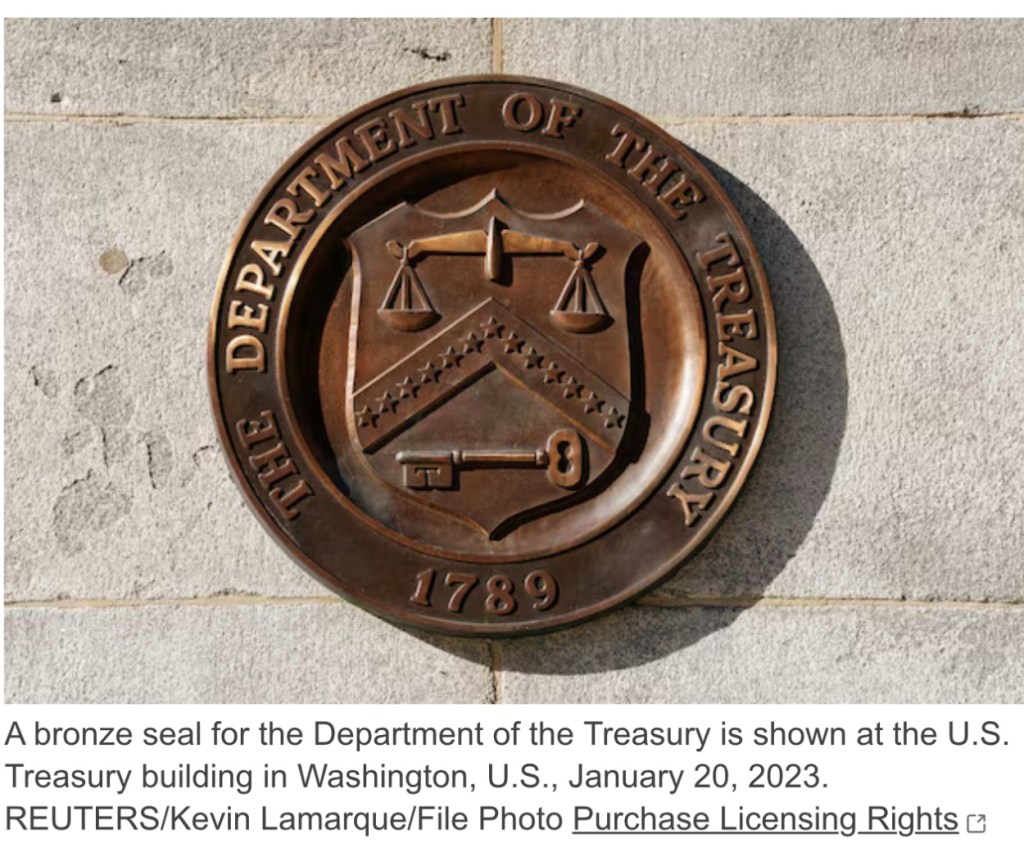
A federal judge in Texas, Amos Mazzant, issued a nationwide injunction blocking the enforcement of the Corporate Transparency Act (CTA), a 2021 law requiring corporate entities to disclose their beneficial owners to the U.S. Treasury Department. Judge Mazzant ruled that the law is likely unconstitutional, siding with plaintiffs, including the National Federation of Independent Business and several small entities. This decision marks the second judicial challenge to the CTA, following an Alabama judge’s similar ruling in March, which issued a narrower injunction limited to specific plaintiffs.
Mazzant argued that the CTA represented an unprecedented federal overreach into areas traditionally regulated by states, such as corporate governance and formation. He stated that Congress lacked authority under the Constitution’s Commerce Clause, Taxing Power, or Foreign Affairs Power to enact the law, and that it likely violated states’ rights under the Tenth Amendment. Mazzant also described the law as a “quasi-Orwellian” statute, expressing concern over its implications for the balance of federal and state powers.
The CTA, passed with bipartisan support as part of a 2021 defense spending package, was designed to combat money laundering and other financial crimes by requiring corporations and limited liability companies to report their beneficial owners to the Treasury Department’s Financial Crimes Enforcement Network. Proponents argued that the law was necessary to address the use of state-level corporate anonymity by criminals. However, critics, including the plaintiffs, contended that it imposed undue burdens on small businesses and raised constitutional concerns.
The lawsuit, filed by the Center for Individual Rights on behalf of the National Federation of Independent Business and other plaintiffs, sought relief from the CTA ahead of a January 1, 2025 compliance deadline. Judge Mazzant’s injunction provides temporary reprieve while constitutional issues are further reviewed, potentially by the U.S. Supreme Court. Caleb Kruckenberg, litigation director for the Center, welcomed the ruling as critical for protecting small businesses from the law’s requirements.
The case, Texas Top Cop Shop v. Garland, underscores ongoing legal and political debates over federal authority and states’ rights. While Mazzant, an Obama appointee, has a reputation for rulings favoring conservative litigants, the decision highlights bipartisan concerns over the scope of federal regulation. The Justice Department has not commented on the case, which could have significant implications for anti-money laundering efforts and state-federal relations.
Read original report: https://www.reuters.com/legal/government/texas-judge-blocks-anti-money-laundering-laws-enforcement-nationwide-2024-12-04/
 Financial Crime News Briefs