
Reported by Chris Ozarowski
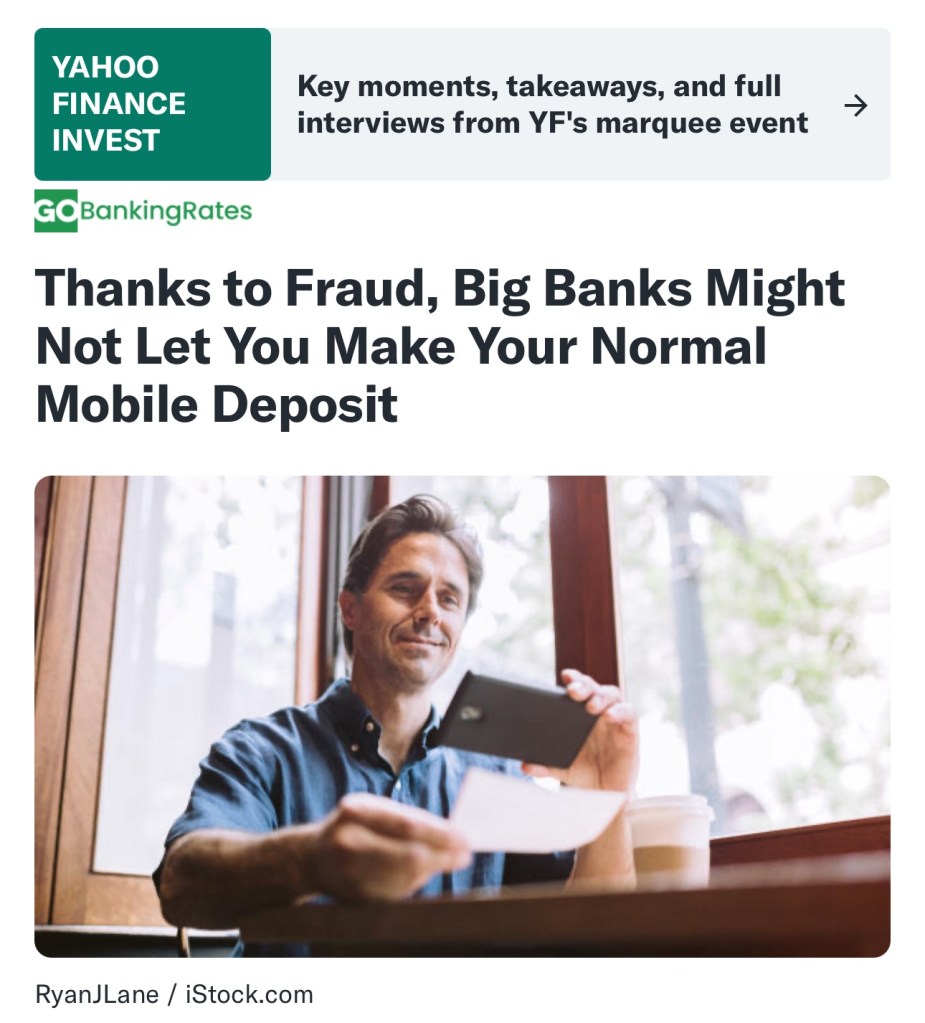
By advertising a get-rich-quick scheme on social media, the scammers were able to convince some users to open Fidelity accounts and give them the log-in details, according to The Wall Street Journal. The scammers then took photos of fake checks and sent whatever money they could to their own accounts. They were able to convince the owners of the accounts to hand over their Fidelity credentials by telling them that they would receive a share of the ill-gotten gains.
Getting access to another person’s account is a common method used for similar illegal activities, such as money laundering and wire fraud. Through social media, fraudsters find users who want to make some money and offer them a percentage of the potential gains for access to their bank account.
Funds are then funneled through that account before being sent over to the scammer. For hacks and other types of fraud, the money may be charged back from the account of the user who gave the scammer their log in details, instead of the scammer’s account.
Read full report: https://finance.yahoo.com/news/thanks-fraud-big-banks-might-200011542.html
 Financial Crime News Briefs