
Reported by Natalie Musumeci
(Summarized version of original report)
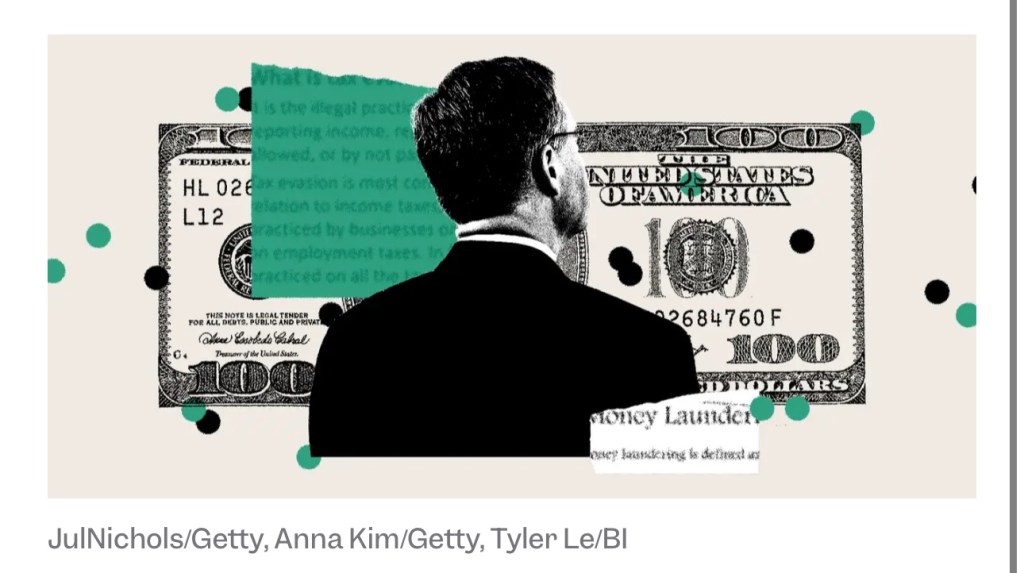
Tax evasion, insider trading, and money laundering are some of the most common financial crimes committed by the wealthiest individuals in society, often with little fear of prosecution. According to white-collar defense attorneys, these tactics are used to illegally increase wealth. High-profile cases such as Todd and Julie Chrisley’s tax fraud or Mike “The Situation” Sorrentino’s financial crimes highlight just how prevalent these issues are. Defense attorney Matthew Barhoma notes that tax evasion is especially notorious, as the wealthiest 1% of Americans evade an estimated $163 billion in taxes each year, contributing significantly to the U.S. tax gap.
One reason tax evasion is concentrated among the wealthy is that they have the means to hire professionals who help them obscure their true financial obligations. Wealthy individuals often use offshore accounts in tax havens or shell companies to hide their assets, making it difficult for authorities to trace the money. These strategies, though illegal, are often considered low-risk because tax authorities lack the resources to enforce compliance rigorously. However, when individuals are caught, it often involves complex forensic accounting and detailed investigations.
In addition to tax evasion, insider trading remains a widespread problem among affluent individuals with access to privileged information. This illegal practice allows those with inside knowledge of companies to profit at the expense of regular investors. Attorney Tama Kudman explains that insider trading can happen casually, with material non-public information being shared in what seems like innocent conversation. In these situations, the violators often do not even realize that they are committing securities fraud, adding to the complexity of prosecuting such crimes.
Money laundering is another tactic used by wealthy individuals to hide illegally obtained money. Criminal defense attorney Mark Ressler explains that legitimate businesses such as restaurants or real estate transactions are often employed to mask the origins of “dirty” money. In one example, art dealers could purchase expensive paintings with illicit funds and then sell them at a legitimate auction, thus “cleaning” the money. These types of transactions allow individuals to blend illegal money with legitimate financial systems, making detection even more challenging.
Fraud is not limited to financial transactions or tax avoidance. Some wealthy individuals, or those pretending to be wealthy, deceive others within their social circles. Kudman points out that fraudsters often target affluent people in places like country clubs, convincing them to invest in dubious ventures, such as penny stocks or real estate schemes. These fraudulent schemes are frequently litigated in civil courts, as wealthy victims are more likely to pursue financial restitution through lawsuits rather than criminal prosecution.
Financial crimes are notoriously difficult to prosecute due to the sophistication of the schemes involved. According to Ressler, those who commit these crimes are often highly intelligent and use their expertise to construct elaborate schemes to avoid detection. While the tactics they use are illegal, many of these individuals possess the skills to have succeeded in legitimate business ventures, making their choice to commit crimes particularly frustrating to legal authorities.
In summary, while financial crimes like tax evasion, insider trading, and money laundering are rampant among wealthy individuals, their complexity and the wealth of resources available to these individuals make them difficult to detect and prosecute. However, when these schemes are uncovered, they highlight the broader systemic issues within the financial and legal systems that allow such crimes to persist.
Read full report: https://www.businessinsider.com/white-collar-fraud-wealthy-class-tax-evasion-insider-trading-2024-9
 Financial Crime News Briefs