
Reported by David Sheppard, Chris Campbell and Peter Andringa
Crashing through car-sized chunks of Arctic sea ice in the face of whirlpool-like currents and near-endless darkness, two specialist heavy transport vessels made a journey few dare to brave: traversing the Northern Sea Route in the depths of winter.
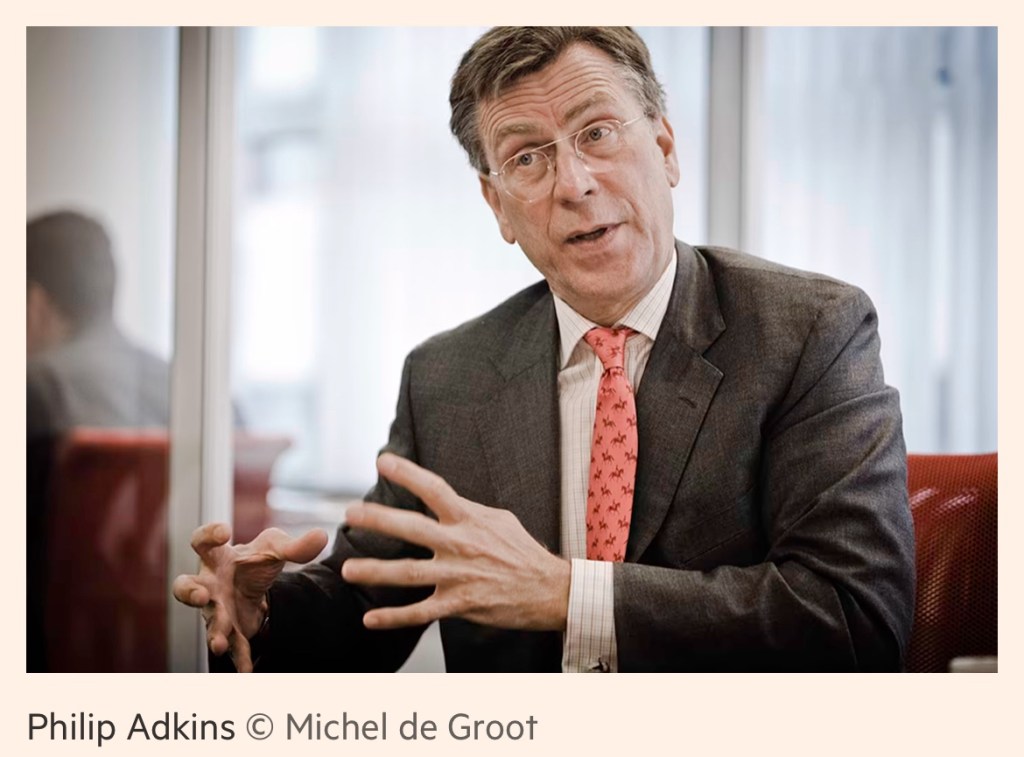
Philip Adkins, a former Hollywood banker who was part of the British Olympic set-up, describes the six-week voyage of his Audax and Pugnax vessels along Russia’s northern coast as at the extreme limit of maritime commerce.
“This is as close as going into outer space as any of us will ever encounter in the logistics industry,” Adkins, chief executive of Red Box Energy Services, tells the Financial Times. “But if someone is paying us to deliver, we will deliver.”
The ice, currents and gale force winds are not the only dangers Adkins faces in transporting the 80-metre tall structures from China.
Their destination is Vladimir Putin’s flagship liquefied natural gas project, a Russian venture so significant the US has targeted it with waves of sanctions, including the shipyard where the cargo was unloaded this week.
For Washington, the Arctic LNG 2 project represents Russia’s latest attempt to gain sway over world energy markets as it looks to find new destinations for its gas after slashing pipeline supplies to Europe.
The vessels’ Arctic journey illustrates how Moscow has found countless ways around western curbs on its energy sector — at times with the assistance of western executives, from Greek shipping magnates moving Russian oil to smaller operators like Adkins.
Sales from the project, which are expected to meet growing demand in Asia, would help finance Moscow’s invasion of Ukraine and could eventually boost Russia’s share of the LNG market globally from less than 10 per cent to close to a fifth.
US officials have vowed to thwart the plant’s development, telling the FT that anyone providing material support would put themselves in legal jeopardy. The UK, which imposed its own curbs on the project last week, says any “non-compliance” would be “punishable through large financial penalties or criminal prosecution”.
But the US-born Adkins — a high-flying friend of royals whose thoroughbred horse secured him a place on Britain’s Olympic delegation — appears totally unmoved.
During five conversations with the FT, he insists he is just providing “a gigantic taxi service”. The cargo, he says, consists of “simple steel frames” untouched by US sanctions.
“There’s nothing different to what we’re doing to a black taxi cab that takes someone from Mayfair to Heathrow airport,” Adkins says.
But critics, including Ukrainian activists monitoring Russia’s energy sector, question how Adkins and his team can remain on the right side of the law. They argue that if the shipments are compliant, then glaring sanctions loopholes must be closed.
Ice cold in Audax
Adkins says the two vessels are earning Red Box $100,000-$120,000 a day each on their voyage to Murmansk, which suggests total revenues from the trip could be as high as $12.5mn. He says the daily rate is roughly triple what Red Box would earn manoeuvring wind turbines or other heavy equipment in Europe. In 2021 Red Box had total revenues of $19mn, according to its accounts filed in Singapore, before leaping to $70.7mn in 2022.
Adkins says he is now based in Singapore. He would not confirm if he has a British passport. There is also no record in US federal registries that he has renounced US citizenship. When asked about his status, he says only that he is a citizen of St Kitts and Nevis in the Caribbean.
The sanctions that the US and UK imposed last week on Arctic LNG 2 sharpen the focus on those unanswered questions.
Read full report: https://ig.ft.com/russia-sanctions/
 Financial Crime News Briefs