
Reported by Erin Griffith
After Manish Lachwani founded the Silicon Valley software start-up HeadSpin in 2015, he inflated the company’s revenue numbers by nearly fourfold and falsely claimed that firms including Apple and American Express were customers. He showed a profit where there were losses. He used HeadSpin’s cash to make risky trades on tech stocks. And he created fake invoices to cover it all up.
What was especially breathtaking was how easily Mr. Lachwani, now 48, pulled all that off.
While HeadSpin had raised $117 million from top tech investors — including GV, the venture capital arm of Google’s parent, Alphabet; and Iconiq Capital, which helps manage Mark Zuckerberg’s billions — it had no chief financial officer, had no human resources department and was never audited.
Mr. Lachwani used that lack of oversight to paint a rosier picture of HeadSpin’s growth. Even though its main investors knew the start-up’s financials were not accurate, according to Mr. Lachwani’s lawyers, they chose to invest anyway, eventually propelling HeadSpin to a $1.1 billion valuation in 2020. When the investors pushed Mr. Lachwani to add a chief financial officer and share more details about the company’s finances, he simply brushed them off.
These details emerged this month in filings in U.S. District Court for the Northern District of California after Mr. Lachwani had pleaded guilty to three counts of fraud in April. He is set to be sentenced next month, with a maximum penalty of 20 years in prison for each count.
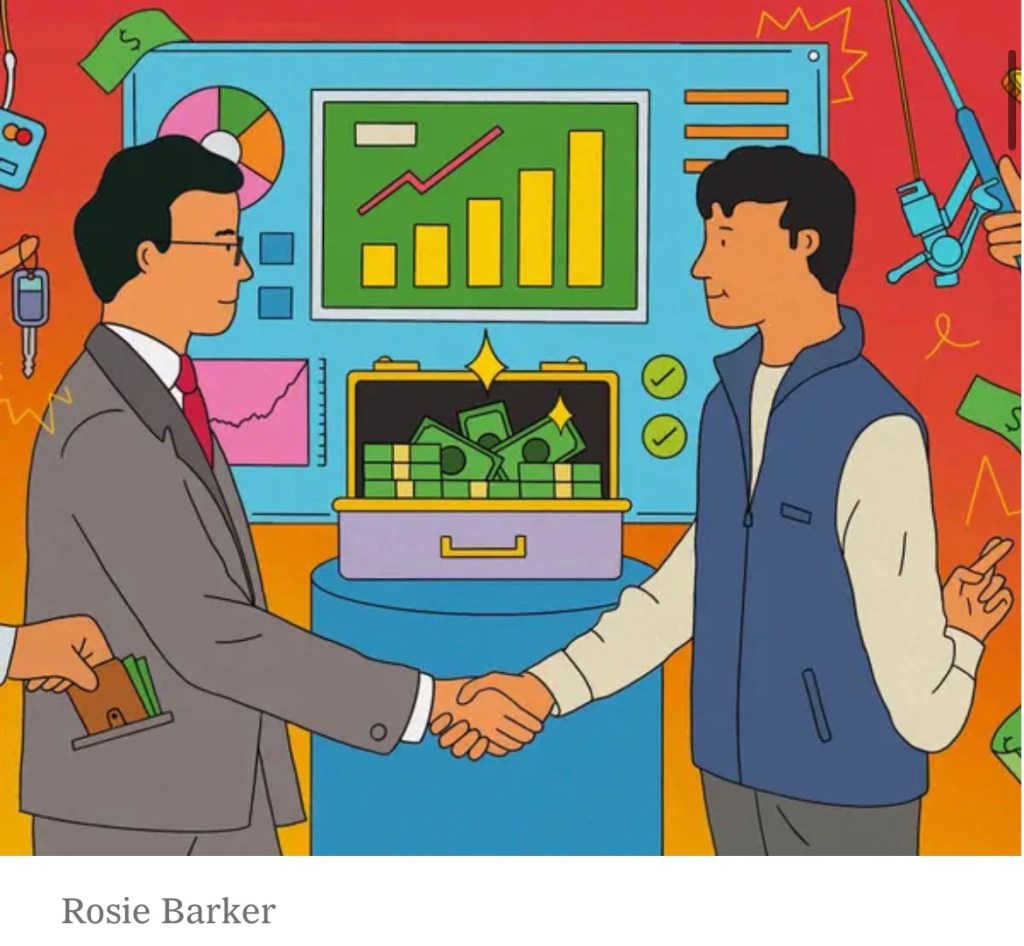
The absence of controls at HeadSpin is part of an increasingly noticeable pattern at Silicon Valley start-ups that have run into trouble. Over the past decade, investors in tech start-ups were so eager to back hot companies that many often overlooked reckless behavior and gave up key controls like board seats, all in the service of fast growth and disruption. Then when founders took the ethos of “fake it till you make it” too far, their investors were often unaware or helpless.
Mr. Lachwani started HeadSpin in 2015 in Palo Alto, Calif., after selling his previous company, Appurify, to Google. Businesses use HeadSpin’s technology to test and monitor their apps across various geographies and devices. The start-up quickly attracted money from investors including SV Angel, Felicis and GV.
There were soon red flags. HeadSpin’s financial statements often arrived months late, if at all, investors said in legal declarations. The company’s financial department consisted of one external accountant who worked mostly from home using QuickBooks, a basic system designed for small businesses. HeadSpin had no human resources department or organizational chart and wasn’t audited.
Around 2015, Mr. Lachwani saw an opportunity to profit on HeadSpin’s cash reserves. “It is extremely sad to see money reaping really low interest,” he wrote in an email that year to Karim Faris, an investor at GV who sat on HeadSpin’s board.
Mr. Faris advised Mr. Lachwani to keep the cash in “very conservative and liquid instruments.” But over the next few years, Mr. Lachwani used HeadSpin’s cash to buy stocks and options in tech companies including Snap, Roku and Tesla, according to bank statements filed as part of the case. At one point, he sent Mr. Faris a bank statement that showed the money was in cash and cash equivalents, according to Mr. Faris’s declaration.
Read full report: https://www.nytimes.com/2023/12/22/technology/headspin-silicon-valley-startups.html?searchResultPosition=12
 Financial Crime News Briefs