
Reported by Peter I. Altman, Michael A. Asaro, James Joseph Benjamin Jr., Brian T. Daly, Anne M. Evans, Katherine R. Goldstein, Claudius B. Modesti, Parvin Daphne Moyne, Douglas A. Rappaport, and Lillian Jordan Rand
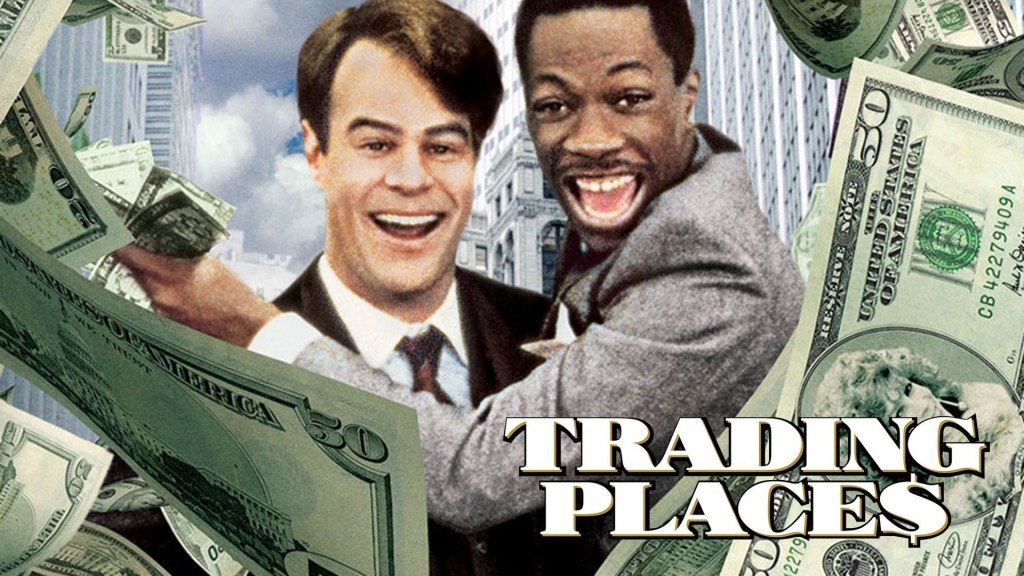
While it took a few decades to surface, the fact pattern set forth in the movie “Trading Places” has finally come to pass. However, instead of the alleged wrongdoers bribing a U.S. government official for a sneak peek at orange harvest information to get an advantage in trading frozen concentrated orange juice futures, the defendant in a recent CFTC enforcement matter is alleged to have bribed employees of a state-owned enterprise for material, nonpublic information relating to the petroleum market.
On December 14, 2023, the U.S. Commodity Futures Trading Commission entered into a settled action with a global commodities merchant with oil and gas trading operations. In a parallel action, that commodities merchant entered into a deferred prosecution agreement with the U.S. Department of Justice for Foreign Corrupt Practices Act violations.
This case marks a significant milestone in the CFTC’s enforcement of insider trading in the commodities markets. While prior cases resembled front-running cases, this action establishes the CFTC’s intention—and ability—to pursue the type of insider trading cases commonly brought in the securities space. The CFTC found that for more than six years, the commodities merchant paid a consultant who bribed employees of a South American state-owned enterprise, which the settled order refers to as “SOE A,” for confidential company information. Although the information related to physical oil trading, the CFTC linked the trading to conduct that occurred in markets for related futures and other derivatives, thereby establishing its jurisdiction.
The case relies on the so-called “Eddie Murphy Rule,” Rule 180.1, which was promulgated in 2011 in part because then-CFTC Chairman Gary Gensler felt that the wrongful acts by Eddie Murphy’s character in the hit movie “Trading Places” were not clear-cut violations of the CFTC rules at the time. It was expressly modeled on Rule 10b-5 under the Securities Exchange Act of 1934, the source of authority long relied on by the U.S. Securities and Exchange Commission in insider trading cases.
Read full report: https://www.akingump.com/en/insights/alerts/the-eddie-murphy-rule-earns-its-moniker-the-cftc-brings-a-classic-insider-trading-case
 Financial Crime News Briefs