
Reported by Helena Smith
“Russian speakers love living here, they like to be in a community and ours is growing all the time,” says Ruslan Ibrayev, the salesman greeting customers at the head office of the Hub property investment firm in Iskele in Turkish-occupied northern Cyprus.
The area, he beams, has become a magnet for buyers from the former Soviet Union, so much so they have moved in en masse. “Business is good,” says the young Kazakhstani, waxing lyrical about the penthouses, apartments and studio flats that the real estate agency has been selling at record speed. “Very good.”
Developers would agree. Construction activity in the island’s self-proclaimed republic is booming. Tower blocks are multiplying in an industry flourishing thanks to an influx of rubles and Iranian rials that have led to cashflows increasing and foreign currency reserves soaring to about 80% of the value of bank holdings.
What are the Cyprus Confidential files?
It is clear that seven months after Anglo-US sanctions were slapped on individuals and entities for ‘“enabling” oligarchs – including Roman Abramovich – to manage assets in the internationally recognised Republic of Cyprus, Russians seeking to move their money inside Europe are looking elsewhere.
And, increasingly, it appears they have looked no further than across the UN buffer zone that bisects the war-split island, to the self-styled Turkish Republic of Northern Cyprus.
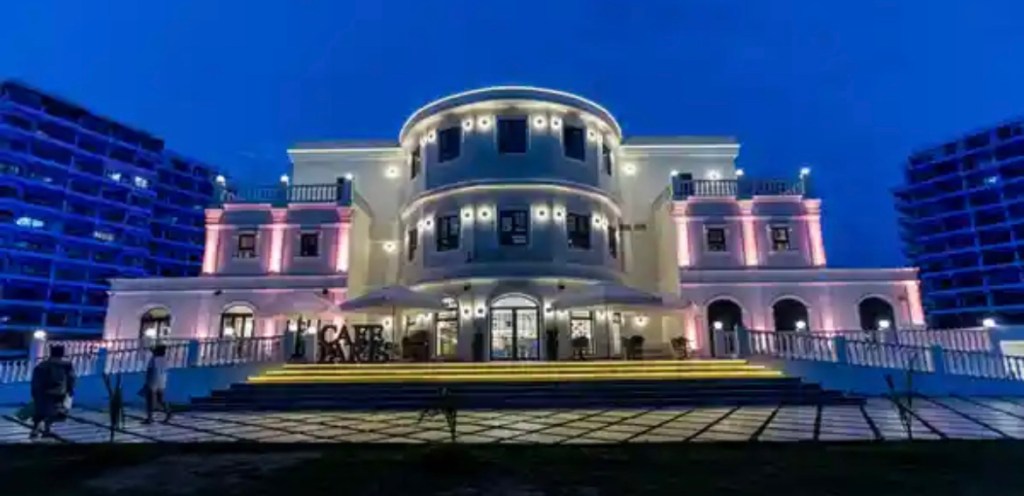
Few places know this more than Iskele, a once-nondescript town whose flatlands have been transformed under the weight of ferro concrete. Turkish Cypriots have come to call the seaside town a new Limassol, the coastal city to the south that played no small part in earning Cyprus the moniker of Moscow on the Med.
As in Limassol, where the first oligarchs arrived after the fall of the Soviet Union, Iskele’s boulevards are lined with Cyrillic shop signs, billboards promising “the dream life”, luxury car dealerships and cryptocurrency outlets.
Stories of local lawyers getting rich overnight are legion. So too are reports of champagne parties livening up the bars and restaurants of Russian-favoured resorts.
“The north is a de facto state. It’s not bound by international agreements, has weak institutions and is only recognised by Turkey,” says Sertaç Sonan, a prominent political scientist, who describes the construction boom as “a money printing business” for the breakaway state. “It’s a grey area, perfect for anyone wanting to do shady business.”
The British high commissioner, Irfan Siddiq, went further in August, describing the tiny territory as a “black hole” when he addressed an audience of diaspora Greek Cypriots in Nicosia, the divided capital.
While he claimed illicit movement of Russian capital had been “largely cleared up” in the south – spurred by the closure of thousands of Russian-held accounts and the fear the sanctions have generated among Greek Cypriot lawyers and accountants – the north had become a growing concern.
“The problem of money laundering is now present in the north, as well, and that’s a challenge for us,” he told the gathering, adding the UK had imposed sanctions on more than 1,600 individuals and entities since Moscow launched its invasion of Ukraine in February 2022.
Read full report: https://amp.theguardian.com/business/2023/nov/15/there-are-no-questions-asked-how-russian-money-is-fuelling-a-building-boom-in-northern-cyprus
 Financial Crime News Briefs