
Reported by Max Daly
The way many organised crime gangs launder their cash has become so hard to trace that following the money “gets you absolutely nowhere”, according to the UK’s National Crime Agency.
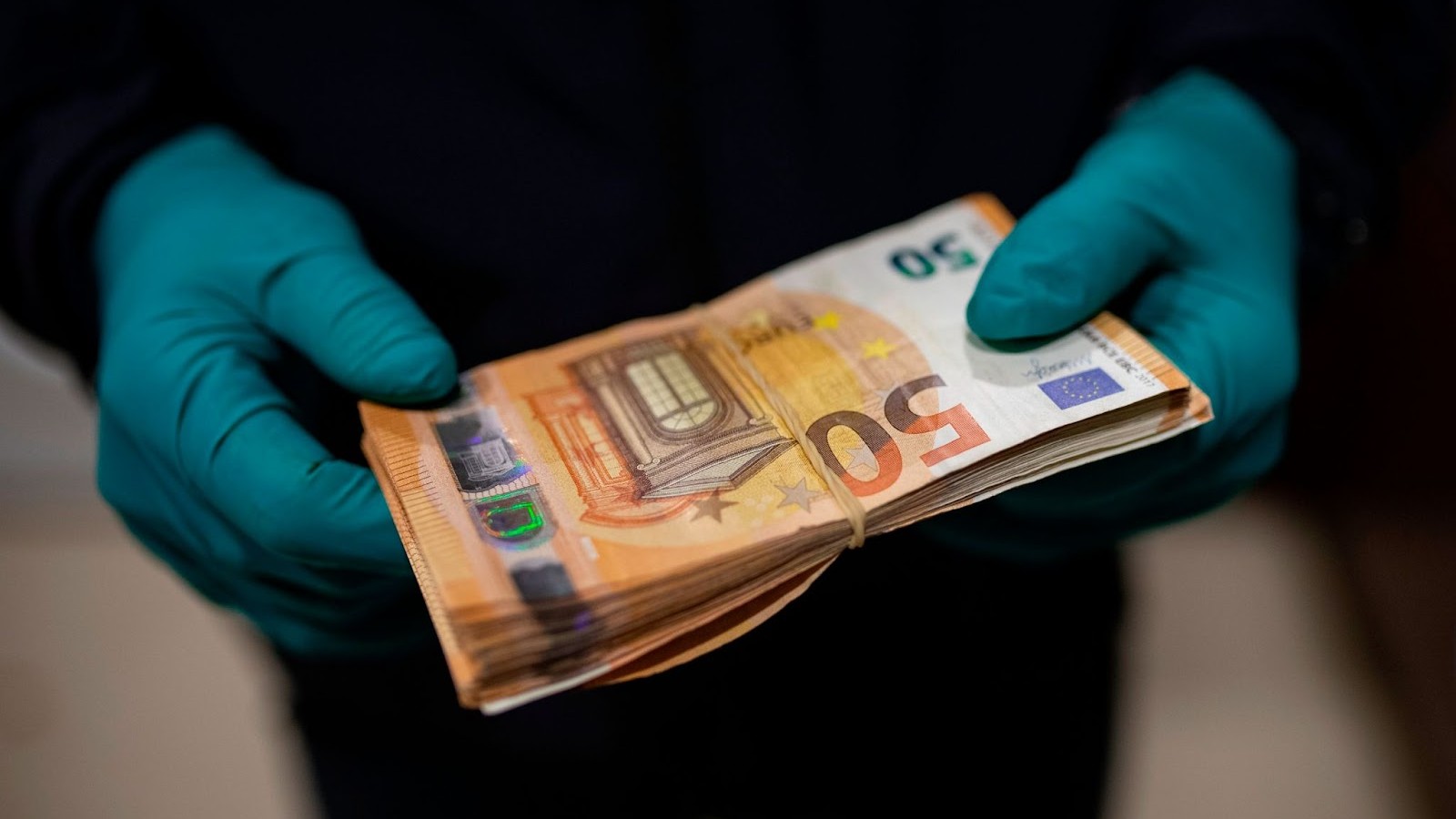
When they are not using major high street banks as giant drug cash laundromats, organised crime groups such as drug traffickers are increasingly using international networks of professional money launderers to clean illicit cash worth billions of pounds each year.
“Financial investigators get told to follow the money. But if you follow the money with these networks, it gets you absolutely nowhere,” Brian Ludlow, a senior money laundering expert at the NCA, told VICE News.
“We concentrate on the vehicles used to move money, and without a shadow of a doubt, the main method now is via international controller networks (ICNs). More and more criminals are using them now, and the bigger up the chain they are, the less likely they are to try and launder the money themselves.”
For a small fee ICNs use a web of informal money transfer systems to move criminal cash around the world. As soon as cash is handed over to these networks, the trail hits a dead end for investigators trying to work out where this money has gone or how it has been spent.
Informal money transfer systems have been used by law-abiding citizens as a way of transferring money from one place to another for centuries. In place of banks, a network of brokers arrange the movement of money in a system based on honour and trust. Because there is no documentation, the system is totally anonymous. And this, alongside their apparent reliability, is why they are so popular with criminals.
The best known of these systems is the ancient hawala system, mostly used in the Middle East, north Africa and India, but over the last two decades increasingly used by crime gangs including Mexican cartels.
In systems such as hawala it is the value of money that moves, not the money itself. A broker will receive the money in one country, tell another broker to hand out the same value of money in another country, and then the two brokers will settle the debt between them.
Ludlow explains it like this. “For example, a British drug trafficker wants to turn £200,000 of dirty cash in London into the equivalent amount of cash in euros in Rotterdam. He contacts an ICN and they agree on a fee, usually around six and a half percent, an exchange rate and time and place to collect the money. If you are handing over £200,000 in cash, you need to be sure the right person is taking it off you. So a token system is used. One of the most common tokens used in the UK is the serial number on a £5 note.
“The ICN messages the customer this serial number. Before the money is handed over the collector working for the ICN presents the £5 note to the customer. If the serial number is right the deal takes place and the note is retained as a receipt. Then in Rotterdam, the equivalent amount of euros will be handed over to a colleague of the drug trafficker, and this time another token, probably a €5 note, will go the other way in return for the cash.”
These networks move the finances of the international drug trade and have the ability to move “billions in currency” around the globe, according to Ludlow.
Specialist money laundering networks are increasingly using crypto currency and Chinese underground banking to launder criminal money.
Data gleaned from encrypted phone systems, used by high level criminals to communicate with each other, found “large movements of crypto being sent between South America and Europe” to pay for cocaine shipments to Europe, according to Ludlow.
Initially developed to avoid strict red tape moving money in and out of China, underground Chinese banking, like hawala, enables the transfer of value between countries without actually moving any funds.
It too has been co-opted by some of the biggest criminal organisations in the world. Laundering networks have been known to recruit Chinese students in host countries to set up hundreds of bank accounts which are used to deposit underworld cash.
Read full report: https://www.vice.com/en/article/pkax5k/money-laundering-organized-crime
 Financial Crime News Briefs