
Reported by Riah Pryor
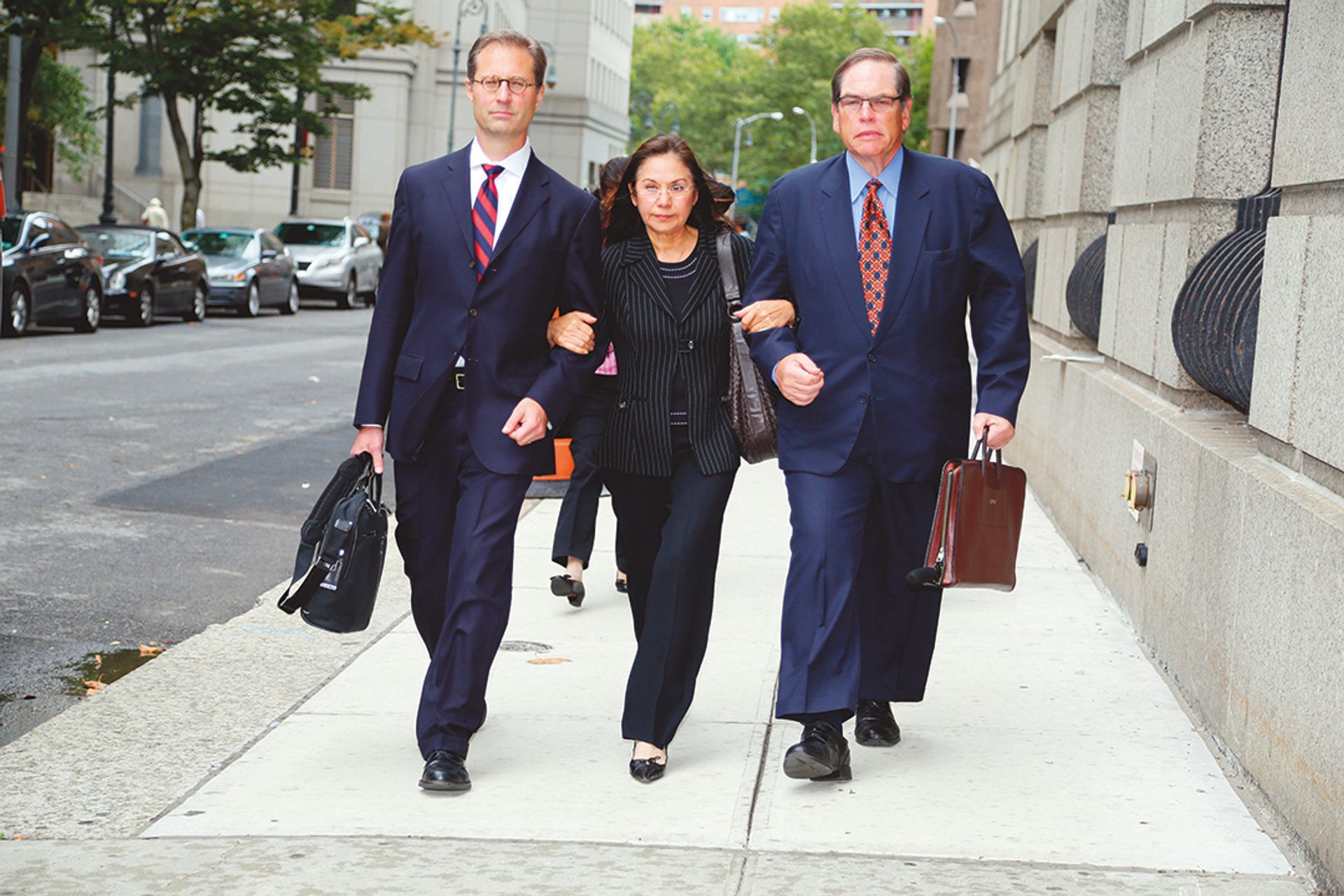
The recent sentencing of the Palm Beach art dealer Daniel Elie Bouaziz, after he pled guilty to laundering money from the sale of counterfeit works by artists such as Andy Warhol and Jean-Michel Basquiat, raised eyebrows in May. Not because of the crime (it is hardly the first time a Warhol has been faked) but because of the sentence itself—27 months, plus three years’ supervised release and a $15,000 fine. In comparison to recent fraud and laundering sentences in the art market, two years and three months seems pretty lengthy.
That is not to say that the crime was inconsequential. Sales of fakes for between $75,000 and $240,000 are clearly significant to the victims (indeed, one bought five works totalling $860,000). But given the scale of the crime, two years and three months appears punitive when compared with the three-and-a-half years given to the former art dealer, Angela Gulbenkian, for charges linked to the fraudulent sale of a $1.4m Yayoi Kusama sculpture; or the 18 months received by the Manhattan dealer Ezra Chowaiki in 2018 for scams totalling over $16m. It is even more jarring considering the 82 days spent in prison by the dealer Glafira Rosales for her role in the Knoedler Gallery fraud case, which involved works valued at over $80m.
So, are the courts still confused about how to handle art crimes?
Bewildering logic
The logic behind sentences can appear bewildering if not considered in the context of the myriad factors underpinning a judge’s decision.
“It is not an apples-to-apples comparison with each case,” warns Georges Lederman, a New York-based special counsel at Withers. “Although wire fraud and laundering crimes carry a maximum statutory term of incarceration of 20 years [which is rarely imposed], the underlying conduct of each case is different. It is not the nature of the asset involved in the fraud—in this case, art—that determines the sentence to be imposed.”
Lederman adds that circumstances considered within sentencing include the characteristics of the defendant; the loss amount to the victim; the potential deterrent effect on the defendant; the need to avoid sentence disparities among similarly situated defendants; and restitution to the victims. Jurisdictions also vary in severity of approach.
Judges will often note their reasoning. When sentencing Rosales, Judge Katherine Polk Failla explained her belief that the former’s situation within an abusive relationship and concern for her daughter would “exactly motivate what you did”, and subsequently decided to not return her to jail.
Nevertheless, there is a growing sense of injustice in debate around convictions concerning fraud or laundering within the market.
“My view is that these fraudsters tend to get off easily,” says Christopher Marinello, the founder and chief executive of Art Recovery, which represented a victim in the Gulbenkian case. “In the art world, if you are white, rich—or Instagrammably rich, with fake wealth—the justice systems in many Western countries go easy on the perpetrators. Art crime is considered a rich person’s problem. If you are lucky enough to get a conviction and a money judgment, good luck getting back your artwork or stolen funds.”
Read full report: https://www.theartnewspaper.com/2023/08/03/when-the-punishment-does-not-always-fit-the-crime-why-prison-sentences-for-art-fraudsters-are-so-erratic
 Financial Crime News Briefs