
Reported by ROSS DELLENGER
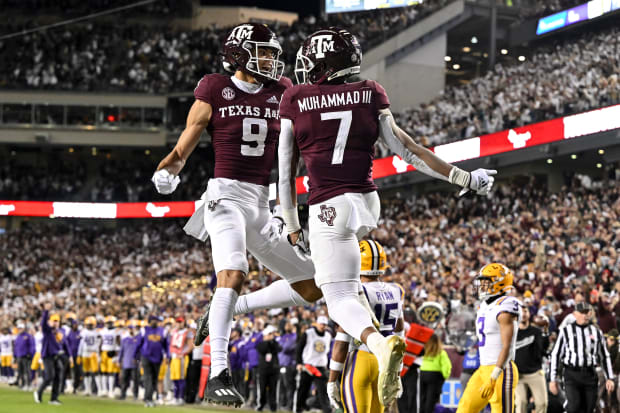
Texas A&M’s fundraising arm is believed to be the first distribution model that allows a school’s booster to be heavily involved in the NIL space.
Maria Lysaker/USA TODAY Sports
(Summary of original article is featured below.)
In the landscape of college athletics, the distribution of compensation to student-athletes has become a pressing issue within the Southeastern Conference (SEC). While several states have passed laws allowing athletes to earn money through their name, image, and likeness (NIL), there is a lack of uniformity within the conference. Some SEC schools, such as the University of Missouri, have established NIL programs that enable high school athletes to earn compensation even before enrolling at the school. However, other schools, including the University of Florida, are prohibited from such actions due to NCAA rules and state laws.
The disparity in NIL regulations has sparked a competitive problem within the SEC, with schools seeking advantages over their rivals. State laws in Arkansas, Missouri, Texas, and Oklahoma have paved the way for schools to develop their own NIL programs while preventing enforcement from the NCAA and other governing bodies. This has led to the rise of nonprofit organizations and collectives that raise funds for athletes, effectively acting as a legal buffer and facilitating indirect payments. The average compensation for Power 5 football players through these collectives ranges from $10,000 to $50,000 annually, with some top players earning over $100,000.
However, the collective model raises ethical concerns, with some comparing it to a rigged marketplace and money laundering. The close relationship between schools and these collectives has blurred the lines, leading to debates over compliance with Title IX and potential violations of employment law. Additionally, the involvement of school foundations, which traditionally raise funds for athletic departments, adds another layer of complexity. Texas A&M’s 12th Man Foundation, for example, has launched an NIL initiative allowing donors to contribute to a fund that distributes payments to athletes. This model, operating under the university’s fundraising arm, raises questions about the integrity of the system and prompted a NCAA-wide memo warning against such actions.
While the SEC grapples with these issues, more schools within the conference are considering adopting similar nonprofit NIL initiatives tied to their fundraising arms. However, legal obstacles, such as amending or creating new state laws and separating foundations from the athletic department, need to be overcome. Some experts believe that these approaches could jeopardize athletes’ eligibility and violate federal laws, including Title IX. Concerns have also been raised about the potential gender-based discrimination in the distribution of NIL compensation.
As SEC schools navigate the complex landscape of NIL, there is a sense of trepidation and a wait-and-see approach. The outcome of test cases, such as Texas A&M’s 12th Man Plus Fund, will influence the future direction of NIL programs within the conference. However, the broader implications of the current system, including the potential for money laundering and the erosion of the amateurism model, continue to raise concerns among industry professionals and observers.
Read full report: https://www.si.com/.amp/college/2023/05/30/sec-meetings-nil-athlete-employment-collectives-hot-topics
 Financial Crime News Briefs